

Speakers
- Chiara CadedduHide
-
Theme Chair of Planetary Health & Associate Professor
Chiara Cadeddu is a MD, PhD, and Associate Professor at the Erasmus School of Health Policy & Management (Erasmus University Rotterdam), where she leads the Planetary Health theme. Her work focuses on assessing the health impacts of the planetary crisis, strengthening the evidence–policy interface, and building capacity for climate‑resilient health systems. She is actively involved in planetary health initiatives at European and global level, serving on the Steering Committee of the Planetary Health Alliance, as co‑Chair of the Planetary Health Annual Meeting 2025, Vice President of the EUPHA Law & Public Health Section, and Vice Chair of the COST Action CliMent.
Vision & Challenges in Planetary Health: Planetary health will only make a difference if it moves beyond awareness. My call to action is to work across disciplines, sectors and generations to translate knowledge into policies and actions that protect the health of present and future generations within the boundaries of our planet.
Contribution to the Planetary Health Spring School 2027: Planetary Health Talk: Planetary Health System
Date xx/04, time
- Wilm QuentinHide
-
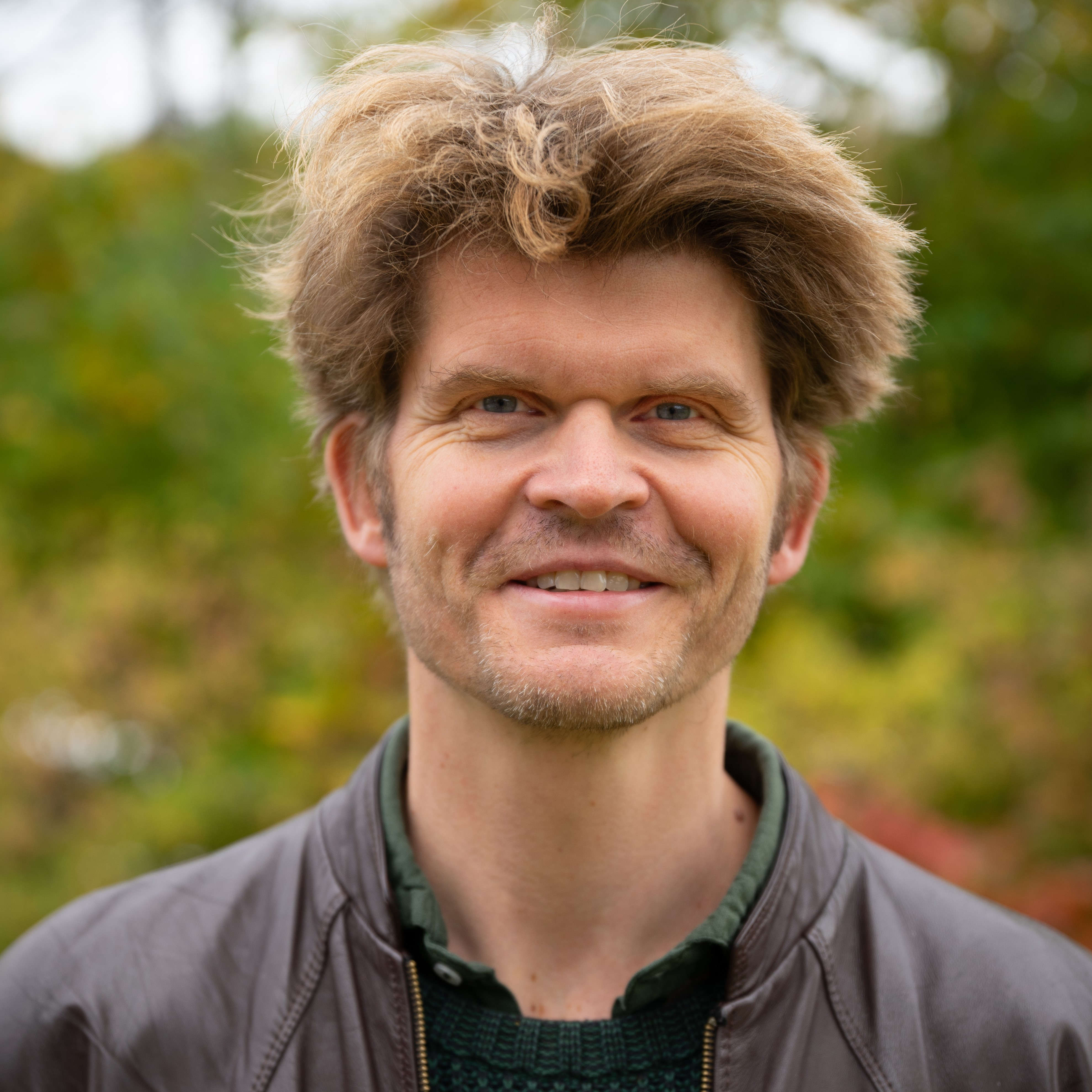
Professor of Planetary & Public Health, University of Bayreuth
Wilm Quentin is a Professor of Planetary and Public Health at the University of Bayreuth and leads the German-West African Centre for Global Health and Pandemic Prevention (G-WAC). He is the Editor-in-Chief of the journal "Health Policy" and advises international organizations (WHO EURO, WHO AFRO), national governments (e.g., Slovenia, Belgium), and other health sector stakeholders. After studying Medicine and Politics in Germany and Health Policy, Planning & Financing (HPPF) in London, he worked for almost 15 years in the Department of Health Care Management at the Technical University of Berlin.
Vision & Challenges in Planetary Health: We need to transform health systems worldwide in response to global environmental change. Health systems must reduce their own negative impacts on the environment by cutting emissions and using resources responsibly. At the same time, they must adapt to a future of more frequent crises, where essential health services need to be maintained in the face of heat, floods, and changing disease patterns. Mitigation and adaptation need to become core functions of health-system governance, financing, and service delivery.
Contribution to the Planetary Health Spring School 2027: Methods Workshops
Date xx/04, time
- Carmen JochemHide
-
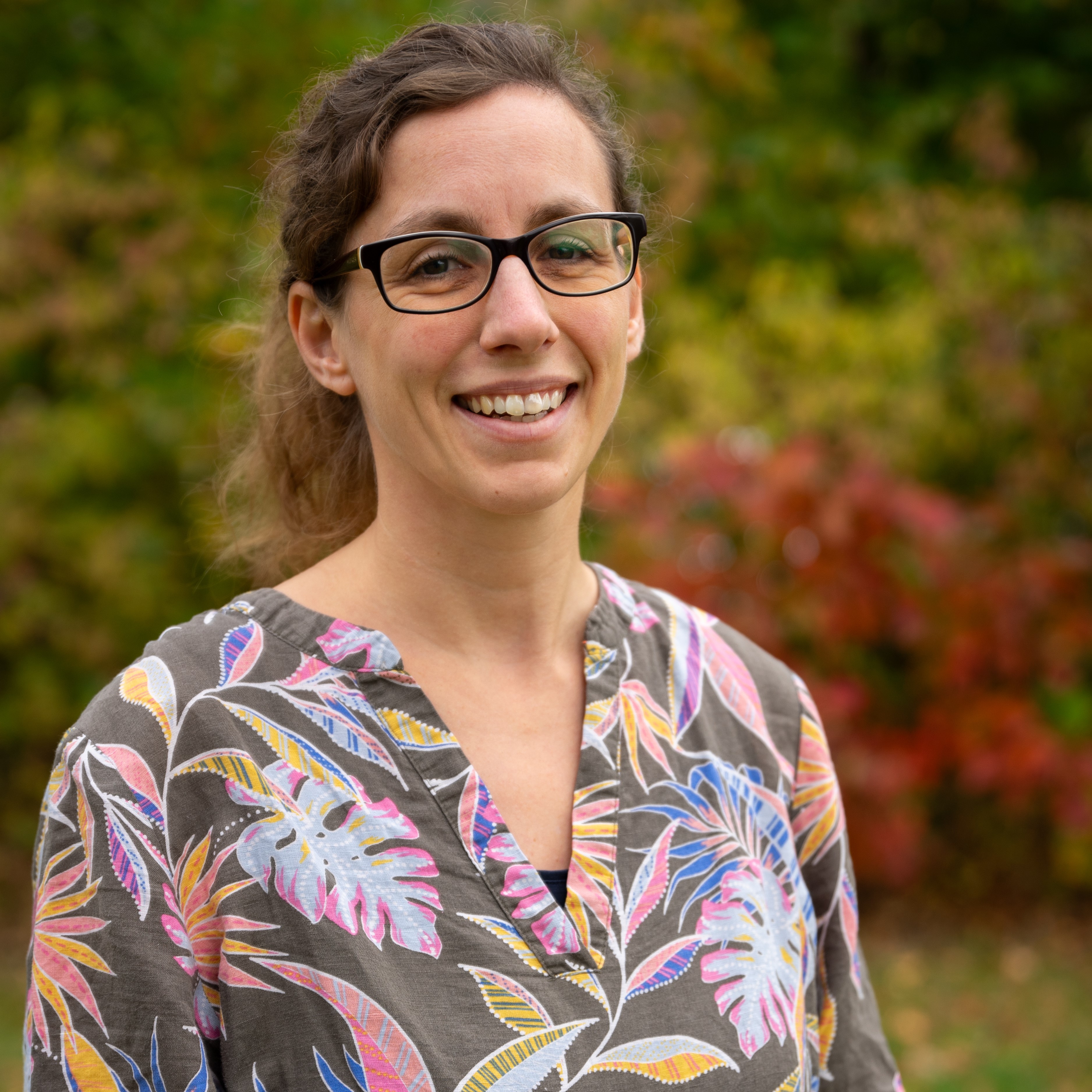
Senior Research Scientist, Chair of Planetary & Public Health, University of Bayreuth
Carmen Jochem works as a post-doctoral researcher at the Chair of Planetary & Public Health at the Faculty of Law, Business and Economics at the University of Bayreuth. Her research focuses on planetary health (especially planetary health literacy and planetary health education) as well as public and global health (especially environmentally sensitive health promotion and prevention through healthy and sustainable lifestyles).
Carmen teaches on planetary and public health topics in various study programmes at the University of Bayreuth, the Medical Campus Upper Franconia, the University of Regensburg and the Ludwig-Maximilians-University Munich. Carmen studied medicine in Munich and Regensburg as well as Global Health Policy at the London School of Hygiene and Tropical Medicine (LSHTM).
She worked for more than ten years as a research associate at the Department of Epidemiology and Preventive Medicine at the Medical Faculty of the University of Regensburg. She has professional experience in the public health service and in scientific policy advice and worked for the German Advisory Council on Global Change (WBGU) in Berlin on the report "Healthy Living on a Healthy Earth". Carmen Jochem is married and the mother of four children.
Vision & Challenges in Planetary Health: My call to action is to embed Planetary Health Literacy across the life course - from early childhood education to professional training and lifelong learning. Only by equipping people with the knowledge, skills, values, and competencies to understand the links between environmental change and health, we can translate awareness into meaningful action for both human and planetary health.
Contribution to the Planetary Health Spring School 2027: Planetary Health Talk: Planetary Health Literacy
Date xx/04, time
- Peter von PhilipsbornHide
-
Chair of Public Health Nutrition, University of Bayreuth
Peter von Philipsborn holds the Chair of Public Health Nutrition at the University of Bayreuth in Bayreuth, Germany, and is a medical doctor and a public health professional by background. His areas of expertise and interest include prevention of obesity and diabetes, food environment and food policy research, methods for evidence-based public health (including systematic review, guideline development, and integrated knowledge translation), policy analysis and qualitative and mixed methods. He has studied medicine as well as political science, economics and law in Freiburg, Buenos Aires, London and Munich.
Vision & Challenges in Planetary Health: Healthy, nutritious diets offer important environmental co-benefits. Realizing this potential for win-win-solutions requires smart, evidence-based food policies, rigorous research, open-minded conversations, and respect for people’s diverse culinary values and traditions.
Contribution to the Planetary Health Spring School 2027: Planetary Health Talk: Planetary Health Diet
Date xx/04, time
- Anna GaulHide
-

Anna Gaul holds a Bachelor's and Master's degree in communication science from the Ludwig-Maximilians-University Munich. Since November 2022, she has been a research assistant and PhD student at the Munich Science Communication Lab at the LMU. Her research focuses on science communication and journalism in the field of planetary health and constructive journalism in particular.
Vision & Challenges in Planetary Health: We should recognise communication as a valuable tool for enhancing planetary health. Constructive communication elements, such as taking up solutions and future perspectives, pointing to concrete recommendations for action, contextualising issues and offering a diversity of perspectives, can help make sense of the complex interdependencies of environment and health and foster individual and collective action. Consequently, communication is not only about raising awareness, but also about enabling sustainable change for both people and the planet.
Contribution to the Planetary Health Spring School 2027: Planetary Health Talk: Science Communication
Date xx/04, time
- Mirna Al MasriHide
-

Researcher, Chair of Planetary & Public Health, University of Bayreuth
Mirna Al Masri has a background in Nutrition and Dietetics and a Master of Science in Global Food, Nutrition, and Health. She co-developed the UBT Green Talks, an educational video series on Planetary Health, and contributes to research on sustainability, health equity, and transformative education. Her interdisciplinary work bridges science, communication, and public health action.
Vision & Challenges in Planetary Health: I believe that meaningful change begins by advancing Planetary Health education through inclusive, interdisciplinary approaches that connect knowledge with lived experience. Through my research that focuses on healthy and sustainable diets, I call for Planetary Health education to be made equitable, culturally relevant, and accessible to all, so that research empowers people to translate evidence into everyday action
Contribution to the Planetary Health Spring School 2027: Mindfulness Sessions, Climate Puzzle Workshop, Planetary Diet - Communal Cooking
Date xx/04, time
- Ursula OdrobinaHide
-
Ursula Maria Odrobina is a psychologist and independent communication consultant specializing in communication psychology and climate communication. She is a trainer in the Klimafakten network Klima kommunizieren and a member of Psychologists for Future. Her work translates scientific insights into practical, human-centered strategies for organizations navigating climate and sustainability transitions.
Vision & Challenges in Planetary Health: Planetary Health reminds us: human well-being and healthy ecosystems are inseparable. The knowledge and tools for a just and decent future are already here. Now it’s up to the will of politics, business, and society as a whole. The way we communicate about climate action is a key factor. Let’s use it to inspire action, connect climate to health, and co-create narratives that put people and planet on equal footing.
Contribution to the Planetary Health Spring School 2027: Climate Communication Workshop
Date xx/04, time
- Marie JungHide
-
Research Associate, Centre for Planetary Health Policy (CPHP)
Marie holds a BSc in International Health Sciences from Fulda University of Applied Sciences and a MA in Political Sciences from the University of Freiburg. During her master's studies, she began working for the Centre for Planetary Health Policy (CPHP), where she continues as a research associate. Her work focuses on addressing the pollution crisis through the lens of environmental justice.
Vision & Challenges in Planetary Health: The science is clear: climate change is the greatest challenge to our health, but fixing it is our greatest health opportunity. We must act now to protect ourselves from its worsening impacts and to be able to adapt to the consequences we are already experiencing - though not equally. To do this, we need to close the gap between scientific knowledge and real-world implementation, ensuring that everyone, today and in the future, can live a health life on a healthy planet.
Contribution to the Planetary Health Spring School 2027: Planetary Health Talk: Planetary Health Policy
Date xx/04, time
- Sebastian KarlHide
-
Medical Doctor, Zentralinstitut für Seelische Gesundheit
Sebastian Karl is a researcher and resident doctor of psychiatry and psychotherapy at the Central Institute of Mental Health in Mannheim, Germany. He holds a bachelor degree in molecular medicine and a medical degree from Ulm University, Germany. Sebastian has previously worked for the German Advisory Council on Global Change (WBGU) – a scientific advisory council of the German government – and he is one of the authors of the flagship report ‘Healthy living on a healthy planet’. Sebastian is part of a task force on climate change and mental health that was formed within the German Psychiatric Association (DGPPN). He is the editor of a textbook on psychiatry in times of environmental crises and the author of a book on the health effects of heat. His work on environmental change and mental health has been published in scientific journals and covered in the media. In addition to his scientific and clinical work, Sebastian is serving as an elected member of the city council of Stuttgart, Germany.Vision & Challenges in Planetary Health: We depend on an intact planet Earth on so many levels. During the past 150 years, we have become ever more detached from the natural world we live in and depend on. While part of this process has certainly helped us be healthier and live longer, we have slowly been destroying the biosphere and climate we depend on, and now we are feeling the consequences of that. I think that, despite all the information is available, many people have not yet grasped the urgency of the environmental crises. I am scared of what lies ahead of us, but I am also convinced that we can create a better world in which we keep many of the benefits of the modern world and foster the very basis of our lives at the same time — the planet, its climate, and all of its life forms.
Contribution to the Planetary Health Spring School 2027: Planetary Health Talk: Planetary Mental Health
Date xx/04, time
- Simon CohnHide
-
Professor in Medical Anthropology
My work reflects a commitment to exploring how social science theories can open up novel and productive avenues for health research, either by identifying emerging areas of enquiry or by offering alternative ways of framing more established health concerns. With a background in anthropology and a longstanding interest in social theory, I focus on developing different ways of understanding and interpreting health-related issues. I have worked with colleagues across disciplines on a wide range of projects, from exploring people’s experiences of specific health conditions to examining population-based behavioural interventions.
Vision & Challenges in Planetary Health: In the face of profound, wide-reaching and complex challenges facing planetary health, it is understandable to feel overwhelmed and powerless. But by drawing on my discipline’s longstanding engagement with questions of scale and relevance, I want to argue that we can never know what long-term impact even a small difference might make. What matters, therefore, is that we identify and act on opportunities where change is possible – however small they may seem.
Contribution to the Planetary Health Spring School 2027: Planetary Health Talk: More than Human Anthropology
Date xx/04, time